




Adam Morgan is the author of A Danger to the Mind of Young Girls, a biography of Margaret C. Anderson, founder and editor of The Little Review, an early 20th century, Chicago-based literary magazine that published many modernist writers and was censored by the U.S. government for serializing James Joyce’s Ulysses.
One of the greatest things about writing a nonfiction book is how it sends you down hundreds of rabbit holes during the research process. Combing through out-of-print memoirs and correspondence in library archives, you stumble upon so many stories you’d never heard of before. While researching the life of Margaret C. Anderson—who knew and published just about every modernist writer we read today in her avant-garde literary magazine, The Little Review, during the 1910s and 20s—I became familiar with accounts of more than a few proto-modernist and high modernist literary works by women writers, including many that are today considered classics, being censored by the government, condemned by critics, or initially rejected by publishers because they were either too sexually explicit, or too directly aimed at exposing gender inequality. Here are a few such stories that I hadn’t heard about, or didn’t realize the extent of, until I was working on my book.
The Awakening
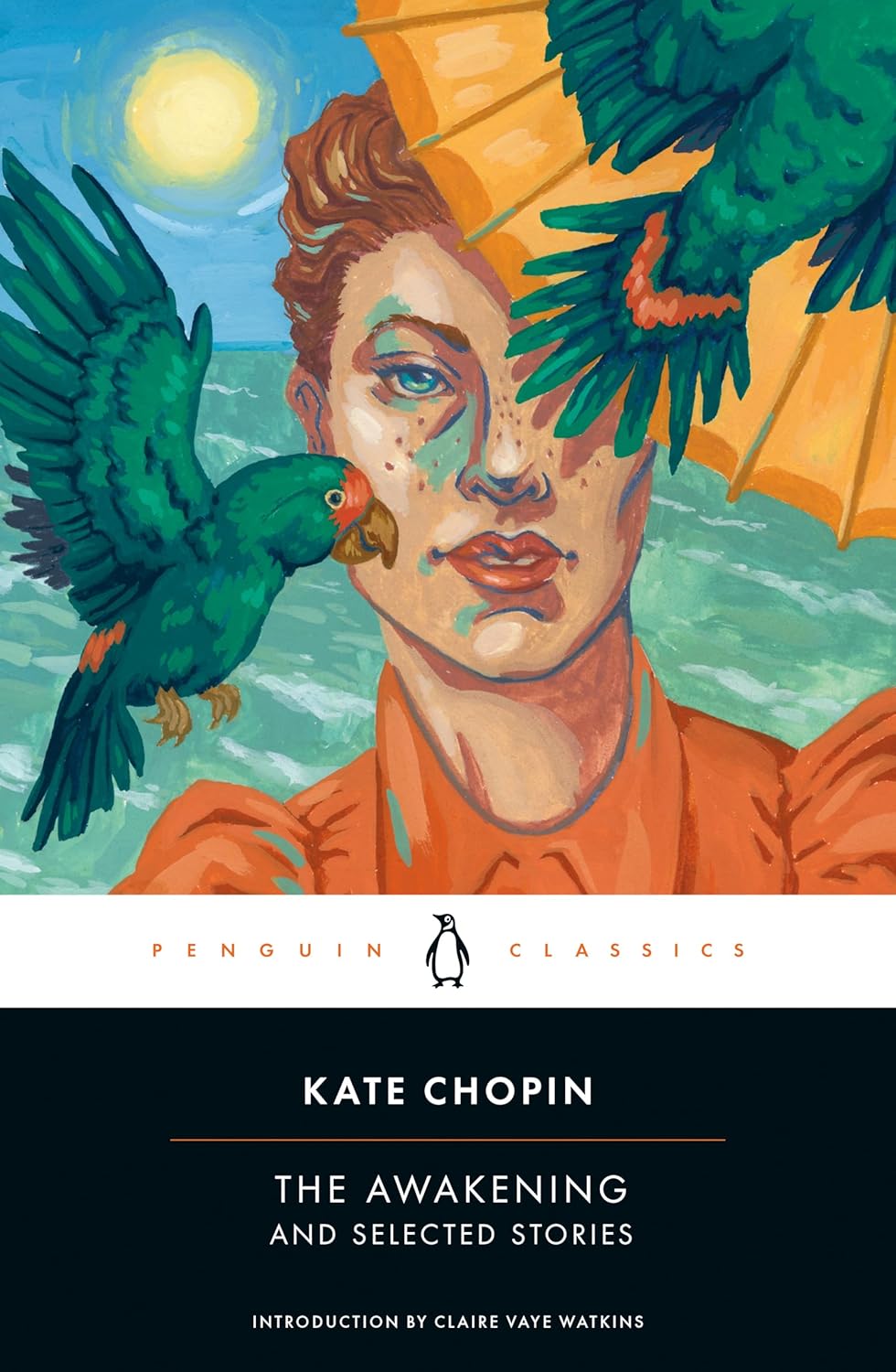
At the turn of the century, Kate Chopin wrote a novel about the inner life of a woman in New Orleans, Edna Pontellier, a wealthy wife and mother who is transformed by a sexual and emotional reawakening during a summer vacation at the Grand Isle resort on the Gulf, which leads her to abandon her marriage. Assailed by critics as “too strong a drink for moral babes,” it was removed from library shelves across the United States, and Chopin’s publisher, Herbert S. Stone & Co, stopped promoting the book and refused to publish her next novel. Like Charlotte Perkins Gilman’s "The Yellow Wall-Paper," The Awakening was reevaluated in the 1970s and has since rightfully become part of the early feminist canon.
Chéri
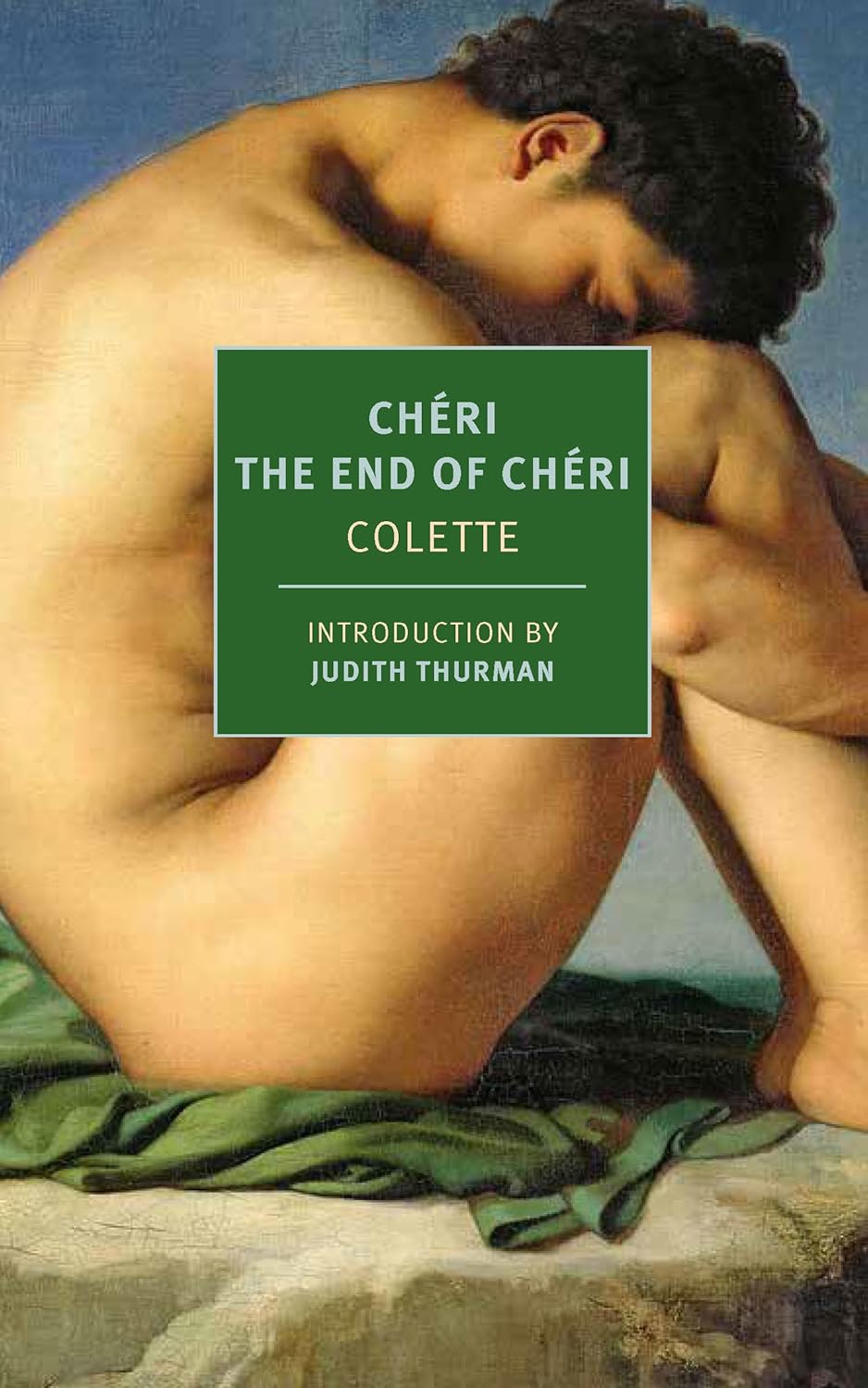
Chéri was the first volume of a two-part novel written by the French “it girl” of her time, Sidonie-Gabrielle Colette. It’s about an age-gap relationship between a wealthy, 49-year-old courtesan named Léa de Lonval and a 25-year-old man, Fred “Chéri” Peloux. While France was more tolerant of sexual content than America, Colette’s explicit portrayal of a cross-generational affair led to Chéri’s dismissal as erotic fiction for decades, until it was rediscovered by scholars after WWII who recognized Colette’s thoughtful exploration of gender roles of female agency.
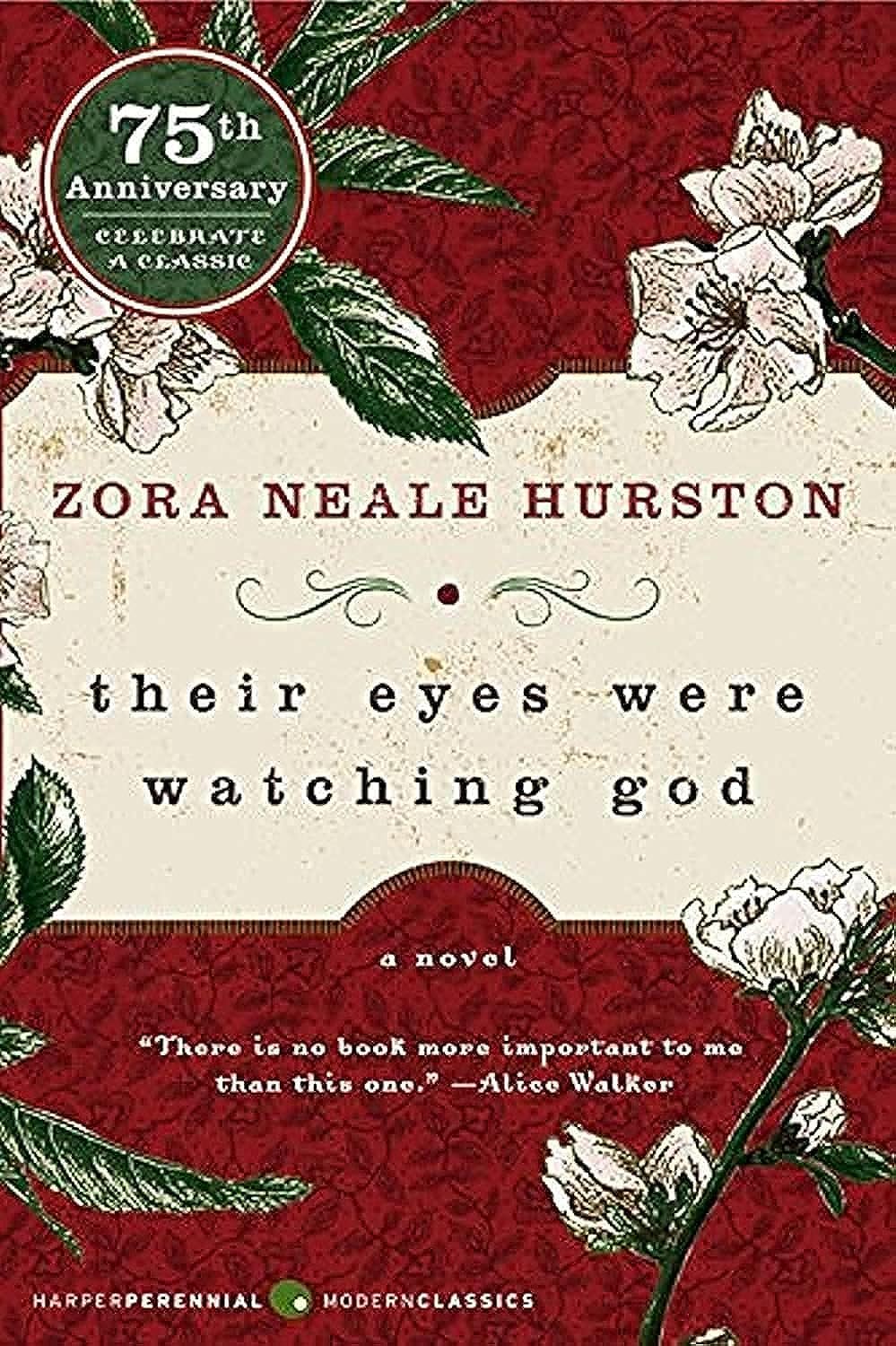
Their Eyes Were Watching God
Hurston wrote one of the most stunning novels of the modernist era, Their Eyes Were Watching God, in just seven weeks while on a research trip to Haiti. Set in Florida—including the first town populated and governed by African Americans, Eatonville, where Hurston grew up—the novel narrates the life of Janie Crawford through abusive marriages to men and a sexual awakening similar to Chopin’s The Awakening. Originally criticized by some Black writers like Richard Wright in the 1930s for its lack of a clear social protest message, it was later challenged in the 1990s by parents in Florida, Virginia, and New York who demanded it be removed from school libraries for its depictions of sexuality—and in one case, because it supposedly “disrupted racial harmony” for high school students.
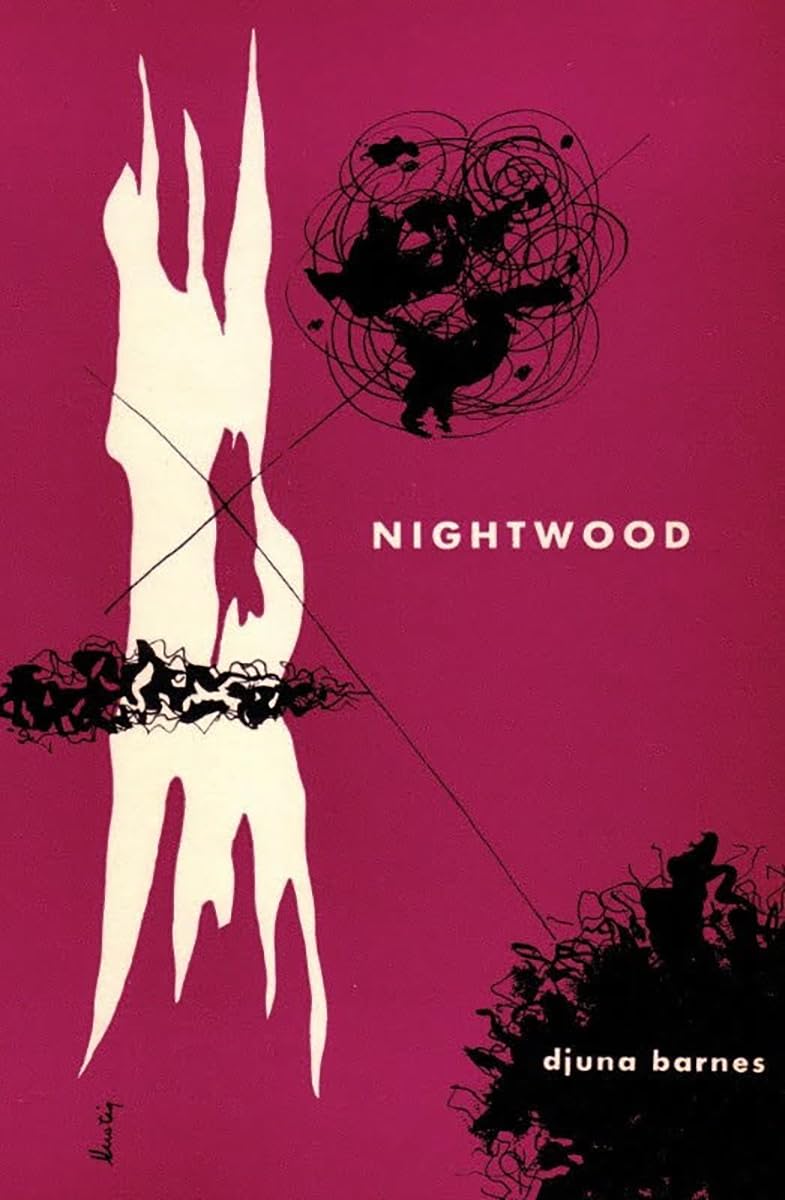
Nightwood
Djuna Barnes was one of the most captivating people I learned about while researching A Danger to the Minds of Young Girls. Her short fiction was so strange and macabre, Margaret C. Anderson’s The Little Review was one of the only magazines that would publish it. Nightwood is Barnes’s greatest achievement—a modernist masterpiece about queer identity, transgression, and sexual fluidity. It tracks the sexually entangled lives of a group of expatriate Americans living in Paris and elsewhere during the 1920s, just as Barnes did alongside Margaret C. Anderson, James Joyce, Ernest Hemingway, Gertrude Stein, and other modernists. In Barnes’s case, Nightwood wasn’t censored by the government, but by her own editor, T.S. Eliot at Faber and Faber, who softened some of her language around sexuality and religion to avoid legal trouble. Today it’s beginning to be celebrated as a groundbreaking—and challenging—work of genius on par with Joyce’s Ulysses and Eliot’s The Waste Land.
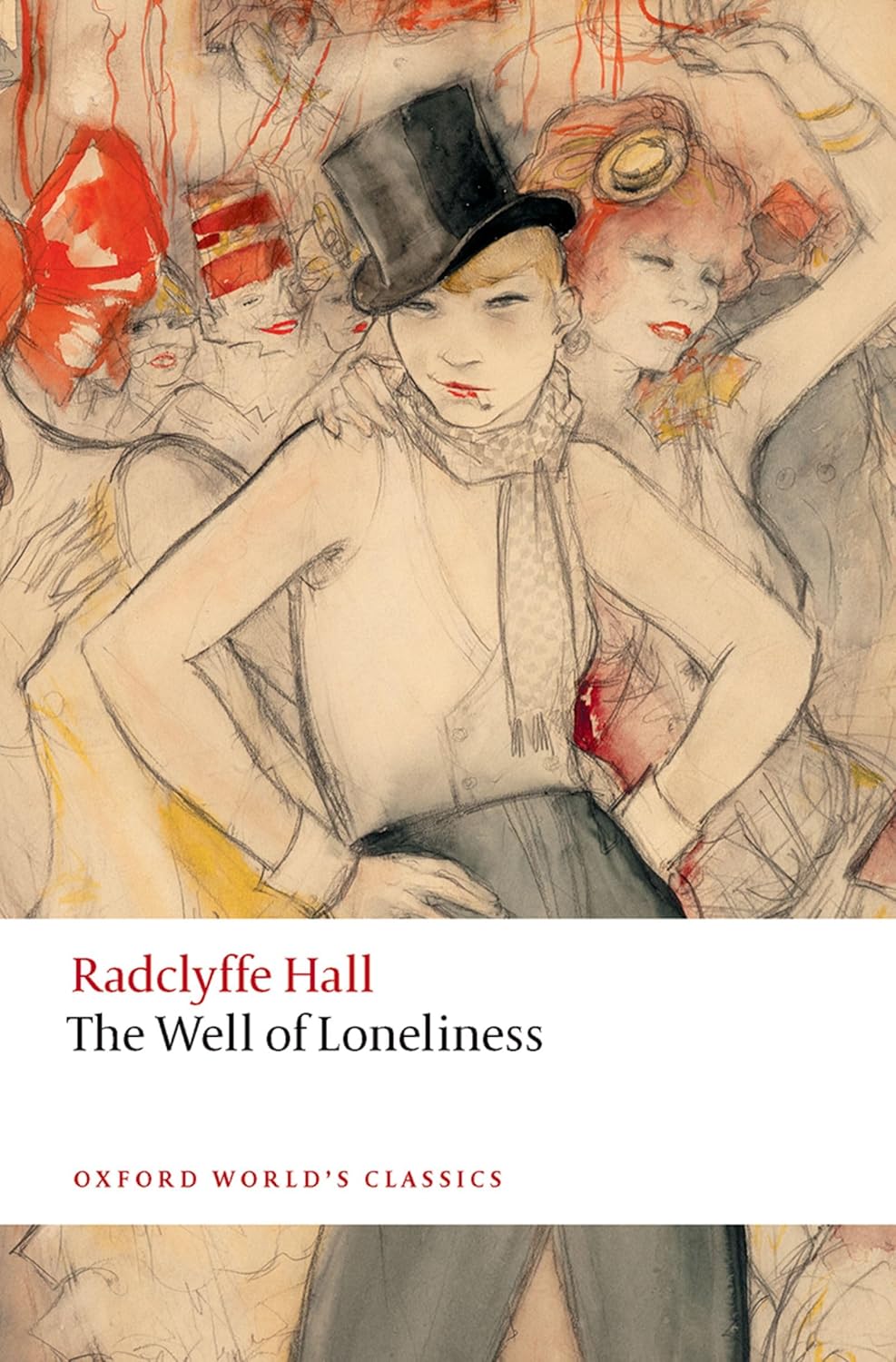
The Well of Loneliness
After achieving success as a novelist, Hall wrote The Well of Loneliness as a deliberate plea for the acceptance of lesbians, including a preface asking for “patience and understanding” for readers. It follows the life of Stephen Gordon, a wealthy, masculine-presenting woman who becomes aware of her same-sex attractions at a young age and struggles to find her place in a society that is hostile to “inverts,” a then-clinical term for lesbians. The Well of Loneliness was initially published without legal issues in France and the United States, but its appearance in Britain led to an immediate charge of obscenity by newspaper editor James Douglas, who wrote he would “rather give a healthy boy or a healthy girl a phial of prussic acid than this book.” Soon, the novel was legally censored and banned in the U.K. after an obscenity trial, which caused Hall’s American publisher to stop its own distribution. But it eventually became a cause célèbre for literary freedom and is now considered a foundational text of queer literature.
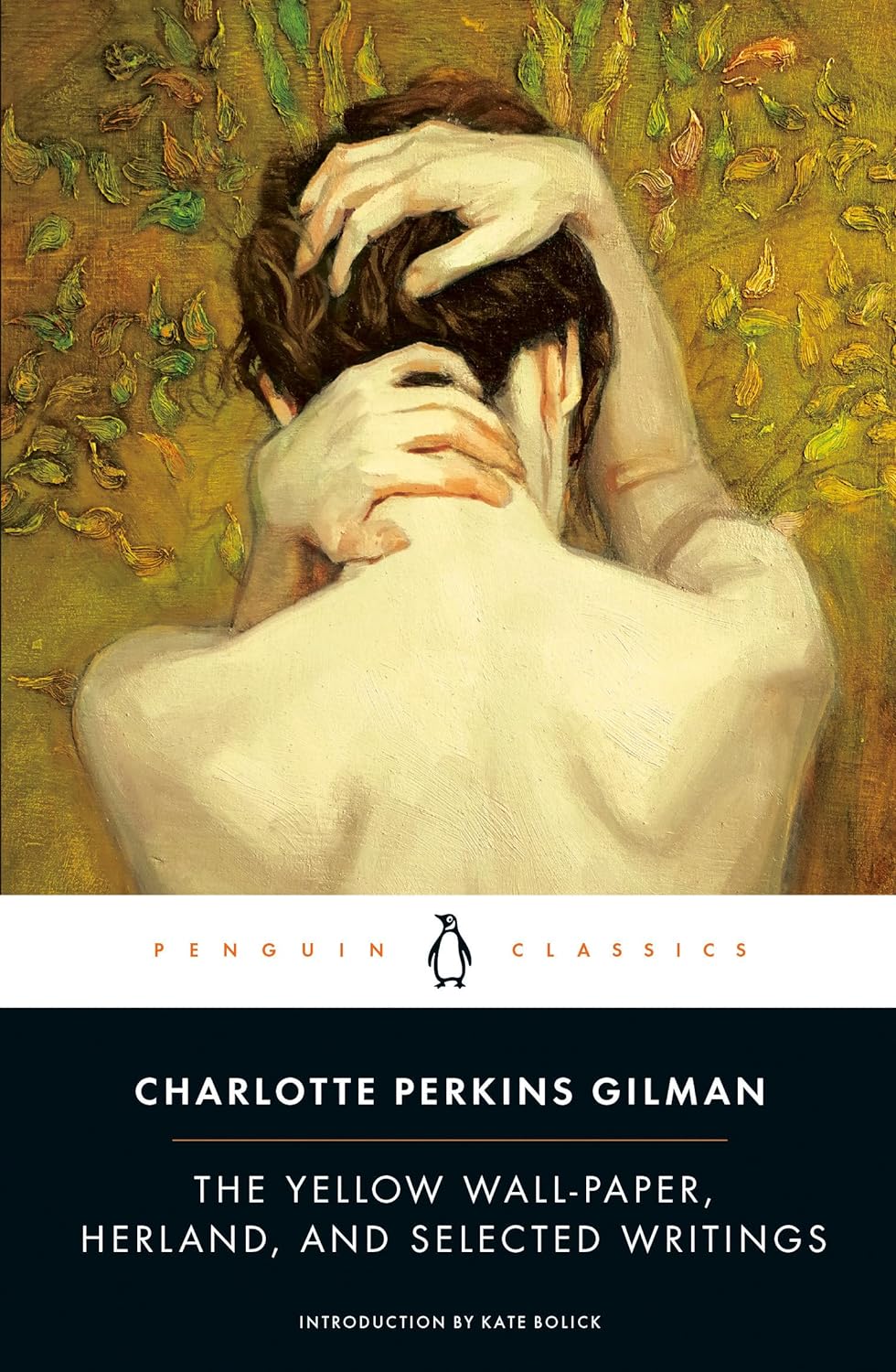
The Yellow Wall-Paper
This short masterpiece of horror fiction was inspired by Gilman’s real-life postpartum depression in the 1880s, when the leading treatment was something called “rest cure” that confined women in bed for weeks or months without any intellectual or social stimulation—including reading or writing. Gilman’s protagonist suffers a similar fate when she’s trapped in a mansion by her husband, where she descends into madness after believing she must free another woman who is imprisoned in the room’s yellow wallpaper. When Gilman submitted the story to The Atlantic Monthly in 1890, the editor quickly rejected it, explaining, “I could not forgive myself if I made others as miserable as I have made myself!” Two years later, when it was finally published in The New England Magazine (which had a much smaller circulation), readers were outraged: “It certainly seems open to serious question if such literature should be permitted in print,” one wrote in a letter to the editor in the Boston Evening Transcript. “The Yellow Wall-Paper” was rediscovered by second-wave feminists in the 1970s who recognized it as a brilliant and well-written critique of 19th-century patriarchy.