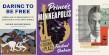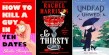





What makes Hub City’s catalog unique?
We publish eight to 10 titles a year in hardcover focusing on fiction by American authors. It’s a bit of a lonely path for someplace our size. We try to be a regional press with a national impact, and to do that, our books have to be published in hardcover, with a certain blurb quality, and even paper quality. It’s expensive, but we see it as part of our mission to launch writers to that level.
What do you wish people understood about the South?
We’re really invested in defining what Southern literature is in this moment, from the ground up. The South is the most diverse region in the entire country; we’ve made sure that our catalog is not just Black and brown Southerners but also refugee, immigrant, and queer voices. The South is also as urban as any other place, but I do think we’re drawn to shining a light on rural writers. We’re interested in saying to our writers in the South that they don’t necessarily have to leave for someone to take them seriously.
What’s next?
We just came out with the Hub City Shorts line. The idea was to focus in on emerging writers, and also book-length essays and poems or novellas that just don’t have a place in our increasingly corporate publishing structure. We are really into this curated, smaller approach. We also formed an advisory council. Hub City has always been about the people, but with indie literature under threat, we wanted to solidify that community and give it a name.