




What was it like pivoting from editing to agenting?
Harcourt was constantly under the threat of being sold, and by 2019, I was burned-out. I decided to take a stab at agenting because it seemed very entrepreneurial, and that has absolutely been the case. I can be nimble and agile about where the market is going in a way that, when you’re working for a publisher, can be more challenging.
You seem to have a knack for selling sports books. How did you break into that space?
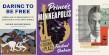
Coincidentally, WLA’s founder, Scott Waxman, sold me my first book when I was a young editor, a sports book called The Perfect Mile by Neal Bascomb, and it became a bestseller. I have always approached sports books like good general nonfiction—stories tend to rise out of that world and elevate themselves. You’re telling stories about people who are taking risks and giving everything they have to something; there’s just real, very organic, dramatic material there.
What’s the key to keeping nonfiction relevant?
You really want to find an author who has a fan base. Sports biography can still really work, but they have to be someone who’s either so complex that the long narrative treatment is the only way to really get out that personality, or they have to just be beloved. I always tell my authors that they have to think about their book as if they’re its CEO. These days, I think that a lot of the onus is on the writer to find readers and sell their book.